Professional Heating Services for Denver, Colorado

Repairs - Replacement - Analysis - Design - Maintenance

heating and cooling icon in color

Climate Control

air filtration icon in color

Indoor Air Quality

Pollen reduction

Odor Removal & Allergy Care

home repair icon in blue

System Repairs

The Heating, Ventilation & Air Conditioning Blog Library
Smart thermostat installed in a modern commercial office controlling HVAC system efficiently
Programmable Thermostats & Smart Controls: Are They Worth It?
Programmable thermostats and smart HVAC controls can significantly improve energy efficiency, comfort, and system performance when properly installed and configured. For homeowners and facility managers, understanding compatibility, retrofit potential, and long-term savings is key to making the right investment.
Image of an unexpected Maintenance Service Bill for HVAC repairs.
What Happens When Heating or A/C Systems Fail in Denver Homes?
When heating or A/C systems fail in Denver homes, homeowners face urgent comfort, safety, and compliance decisions—especially under Colorado’s evolving emissions standards. The best outcomes come from fast diagnostics, repair-first evaluations, compliant replacement planning when necessary, and preventive maintenance that reduces emergency failures.
An image of energy efficient heating for Colorado homes that follow the 2026 Law
What Are Denver’s Low-Carbon Heating Options and Are They Affordable?
Denver homeowners have multiple low-carbon heating options, including Ultra-Low NOx furnaces, hybrid heating systems, and optimized high-efficiency gas equipment. Affordability depends less on technology choice and more on planning, repair viability, system condition, and avoiding emergency replacements—especially under Colorado’s 2026 emissions standards.
Denver home with modern HVAC system contrasted against city air quality and mountain backdrop, illustrating emissions standards and indoor comfort.
Why Do Denver’s HVAC Emissions Standards Matter for Air Quality and Comfort?
Denver’s HVAC emissions standards exist to reduce nitrogen oxide (NOx) pollution that contributes to poor Front Range air quality while improving system efficiency, indoor comfort, and long-term reliability. Modern high-efficiency heating systems produce fewer emissions, operate more consistently at altitude, and reduce strain on household HVAC infrastructure.
Colorado State Capitol with scales of justice and “New Law” document symbolizing new Colorado legislation.
What Do Colorado’s 2026 Emissions Laws Mean for Denver Homeowners?
Colorado’s 2026 emissions laws require new furnaces, water heaters, and certain HVAC equipment sold or installed after January 1, 2026 to meet Ultra-Low NOx and ENERGY STAR standards. Denver homeowners are not required to replace working systems, but future repairs, replacements, and planning decisions will be directly affected—especially along the Front Range.
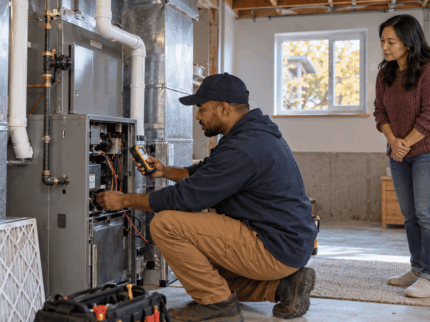
an expert is checking furnace noice
What Should Denver Homeowners Do When Heat or AC Fails?
When your furnace quits in a Colorado cold snap or your AC dies on a 95°F Denver summer afternoon, knowing immediate steps and when to call a professional can protect your comfort, safety, and home systems. Expert insights for quick action and future prep.
Preventative Maintenance on your HVAC system saves you time and money,
Why Does Regular Preventive HVAC Maintenance Save You Money Long-Term?
Regular preventive HVAC maintenance saves money by reducing emergency repair costs, lowering energy consumption, extending system lifespan, and preventing premature equipment replacement. Compared to reactive repairs, maintenance delivers predictable costs, fewer breakdowns, and long‑term efficiency gains.
The Problem: Why Colorado HVAC Systems Fail in Winter Colorado winters are unforgiving to HVAC systems that enter the season unprepared. Sudden temperature drops, wide daily swings, high elevation, and prolonged dry air expose weaknesses that may go unnoticed during milder months. Many homeowners assume winter failures are caused by aging equipment. In reality, most mid-winter breakdowns stem from systems that were never calibrated for winter operating conditions. Restricted airflow, untested combustion performance, neglected outdoor units, and incorrect humidity balance are common contributors. When these issues surface in January, repairs become more expensive, comfort drops immediately, and system lifespan shortens. Background: What “Winterizing” an HVAC System Actually Means HVAC winterization is often misunderstood as a basic tune-up. In professional terms, winterization is a preventative performance and safety process designed to prepare heating equipment for sustained cold operation. In Colorado homes, winterization must account for: High-altitude combustion behavior Rapid heating demand changes Dry indoor air and pressure imbalance Freeze–thaw exposure for outdoor components This applies across system types, including gas furnaces, cold-climate heat pumps, dual-fuel systems, boilers, and ductless equipment. Winterizing is not optional maintenance; it is operational risk management. Historical and Regulatory Context: Why Winter Prep Matters More Now Modern HVAC systems are more efficient than ever, but also more sensitive to improper setup. High-efficiency furnaces, variable-speed blowers, and inverter-driven heat pumps rely on precise airflow, control logic, and combustion parameters. At the same time, evolving energy efficiency standards and refrigerant transitions are pushing systems to operate within narrower performance margins. Building envelopes are tighter, ventilation strategies are changing, and homeowners expect consistent comfort with lower energy use. These shifts mean winter preparation is no longer about “checking the box.” It is about ensuring systems operate safely, efficiently, and predictably within modern design expectations—especially in climates like Colorado. Professional Solutions: The Complete Pre-Winter HVAC Checklist Comprehensive System Inspection and Altitude Calibration Professional winterization begins with a full system inspection under operational load. This includes heat exchanger evaluation, ignition testing, electrical connection verification, and control board diagnostics. In Colorado, combustion systems must also be tested and adjusted for altitude. Air density directly affects fuel-to-air ratios, making combustion analysis essential for safety and efficiency. Airflow Testing and Filter Management Restricted airflow is one of the most common causes of winter HVAC strain. Filters must be correctly sized and replaced based on system requirements, not convenience. Professional airflow testing evaluates blower performance, static pressure, and supply-return balance. Proper airflow reduces run time, improves heat delivery, and protects critical components from premature wear. Thermostat Accuracy and Control Optimization Thermostats serve as the command center of the HVAC system. Before winter, accuracy must be verified against ambient temperature, and programming should be reviewed to ensure efficient recovery during cold mornings. Smart thermostats also require firmware updates and sensor evaluation to function correctly during rapid temperature changes common in Colorado. Ductwork Sealing and Insulation Assessment Heat loss through duct leakage remains a major efficiency issue in many homes. Winter preparation includes sealing joints, insulating exposed duct runs, and identifying infiltration points that allow cold air intrusion. Correct duct performance improves comfort room by room and reduces overall system demand. Outdoor Unit and Heat Pump Preparation Outdoor equipment faces snow accumulation, ice formation, and freeze–thaw stress. Preparation includes clearing debris, ensuring proper drainage, verifying defrost cycle operation, and confirming mounting stability. Cold-climate heat pumps are highly effective in Colorado when properly prepared, but neglecting outdoor units reduces capacity when it is needed most. Combustion Safety and Carbon Monoxide Protection Fuel-burning systems must undergo combustion safety testing before heavy winter use. This includes flue inspection, draft verification, and exhaust analysis. Carbon monoxide risks increase in winter as homes remain sealed and systems run longer. Safety verification is a non-negotiable component of professional winterization. Humidity Control and Indoor Air Quality Balance Colorado’s winter air is extremely dry. Without proper humidity control, homes experience discomfort, increased static electricity, and respiratory irritation. Professional winter prep evaluates humidification systems, filtration efficiency, and ventilation balance to maintain healthy indoor air without compromising system performance. Emergency Readiness and Freeze Protection Winter storms and outages require preparedness. Winterization includes verifying emergency shutoffs, testing backup heat sources, and ensuring freeze-protection safeguards are functioning correctly. Prepared systems recover faster and suffer less damage during extreme events. Teamwork HVAC’s MAC-Based Winterization Approach Teamwork HVAC applies a MAC framework to winter preparation: Maintenance addresses wear, cleaning, and component condition. Assessment identifies system-specific vulnerabilities related to altitude and climate. Calibration fine-tunes performance for efficient, safe winter operation. This approach allows Teamwork HVAC to serve as a trusted regional authority for homeowners across Colorado, delivering preventative solutions rather than reactive repairs. Conclusion: Winterization Is Not Optional in Colorado Colorado winters reveal HVAC weaknesses quickly and without mercy. Proper winterization protects safety, improves efficiency, extends equipment life, and stabilizes comfort during the most demanding season of the year. Professional preparation is not about avoiding inconvenience. It is about addressing root causes before they become failures. The logical next step for homeowners is to schedule a professional HVAC winterization and enter winter prepared—not reactive. People Also Ask 1. How often should HVAC systems be winterized in Colorado? Once every year before winter begins. 2. Does altitude affect furnace performance? Yes, altitude impacts combustion efficiency and safety. 3. Are heat pumps reliable in Colorado winters? Yes, when cold-climate models are properly prepared. 4. Can winter HVAC maintenance reduce heating costs? Yes, optimized systems use less energy. 5. Is winterization necessary for newer HVAC systems? Yes, new systems still require airflow and control calibration. 6. Does winter maintenance include carbon monoxide testing? Professional service should always include it. 7. Why is humidity control important in winter? Dry air affects comfort, health, and system balance. 8. How long does HVAC winterization take? Typically 60–90 minutes depending on system complexity. 9. Can HVAC winterization prevent emergency breakdowns? It significantly reduces the risk. 10. When is the best time to schedule winter HVAC service? Early fall, before sustained cold weather begins.
Is Your HVAC System Properly Winterized for Colorado’s Climate| Teamwork HVAC
Short answer should be YES. A properly winterized HVAC system in Colorado requires professional inspection, altitude-adjusted combustion testing, airflow optimization, outdoor equipment preparation, and humidity control to ensure safe, efficient heating during extreme temperature swings and prolonged cold weather.
a family sitting in their home in a fresh environment.
6 Warning Signs You Need to Replace Your HVAC System | Teamwork HVAC
Learn the six key warning signs that indicate it’s time to replace your HVAC system. Improve efficiency, reduce energy costs, and avoid unexpected breakdowns with guidance from Teamwork HVAC.
Woman using an indoor air quality monitor at home in Denver to assess air purity and improve living conditions.
How Poor Indoor Air Quality Affects Your Health?
Poor indoor air quality can lead to serious health issues like allergies, fatigue, and respiratory problems. Discover how professional indoor air quality testing services in Denver can help you breathe easier and live healthier.
A modern wall-mounted air conditioning unit installed near the ceiling in a bright, clean room. The unit is white with visible vent slats, and soft natural light enters through a nearby curtain, highlighting the AC's sleek design.
Why Is My Air Conditioner So Loud?
Discover the common causes of a loud air conditioner and explore practical, step-by-step solutions to restore quiet and efficient performance. Learn how to address issues like loose components, debris, and refrigerant leaks.
A modern air purifier in a stylish living room, actively removing odors from the air. The device is sleek and high-tech, with a digital display showing air quality improvements. The background features a cozy home setting with natural lighting, emphasizing a fresh and clean atmosphere.
Can Air Purifier Remove Odors?
Discover how air purifiers can effectively eliminate household odors—from cooking smells and pet dander to smoke and chemical VOCs. This article explores the science behind various filtration technologies like HEPA, activated carbon, UV-C light, and ionizers, detailing how each component contributes to odor removal. Learn practical tips on selecting the best air purifier to maintain a fresh, healthy indoor environment and understand the key factors that influence their performance.
A modern air conditioning unit installed on a wall, with a clean and safe indoor environment. A red warning symbol with a carbon monoxide icon is shown fading in the background to indicate awareness. The image is well-lit, emphasizing home safety and air quality.
Can Carbon Monoxide Come From An Air Conditioner?
Many homeowners worry about carbon monoxide leaks from their air conditioners. In this article, we’ll clarify whether air conditioners produce carbon monoxide, explore potential risks, and provide safety tips. Plus, learn how Teamworks Mechanical can help keep your HVAC system running safely and efficiently.
A modern air conditioning unit with visible ice buildup on its coils being examined by a professional HVAC technician in protective gear. The technician is using specialized tools to diagnose the issue. The background features an outdoor industrial setting with a clear blue sky, emphasizing technical precision and urgency.
What Causes an Air Conditioner to Freeze Up?
Is your air conditioner freezing up? Discover the common causes behind AC freeze-ups and effective solutions to fix them. Learn how proper maintenance can prevent future issues and explore expert chiller repair and installation services from Teamworks Mechanicals in Denver, Colorado.
glycol system on the roof top.
How Does Glycol Work in Cooling Systems?
Glycol is a special liquid that helps regulate temperature in cooling systems. Unlike regular water, glycol has properties that allow it to work in extreme temperatures. It’s especially good at stopping systems from freezing or overheating. Both types of glycol can be mixed with water to create a cooling solution that works better than water alone. Depending on the system, you might need different types of glycol.
glycol system on the roof
7 Signs Your Glycol System Needs Repair
One of the first signs that something is wrong with your glycol system is if it's not cooling things as well as it used to. Maybe the room or machine isn’t staying as cool, or it takes longer to cool down. This could mean there’s a problem with the glycol chiller service. The chiller is what cools the glycol, and if it’s not working right, the whole system can’t do its job.
commercial chiller hvac system outdoor unit.
Can A Chiller HVAC System Be Used For Residential Properties?
A chiller HVAC system is a type of cooling system. It uses chilled water to provide air conditioning. This system works by removing heat from the water. The cooled water is then used to cool the air in a building. This type of system is very efficient. It can cool large areas quickly. It is different from regular air conditioners that use refrigerants directly in the air.
testing indoor air quality with air quality testing device
Which HVAC System Is Best To Improve Indoor Air Quality?
Choosing the best HVAC systems is important for better indoor air quality. Look for systems with good filters and humidity control. These features help keep the air clean and fresh. It's crucial to prioritize indoor air quality when picking and maintaining HVAC systems. Clean air can make your home healthier and more comfortable. Regular maintenance is key to keeping your HVAC system working well.
technicians repairing chiller outdoor system.
6 Common Chiller Problems And Their Solutions
These problems can make work slow and cost a lot of money. We will help you understand common chiller problems and how to fix them. Knowing these problems and solutions can help keep everything running smoothly. It can save time and money. Chillers must work well to keep places cool and comfortable. If they break down, it can be a big hassle, learning how to handle chiller issues is very useful.
a family sitting in their home in a fresh environment.
7 Signs You Need An Air Purification System In Your Home
Cleaner air helps everyone feel better and more comfortable at home. Improving indoor air quality brings many health benefits, making it easier to breathe and sleep. When you have fresh, clean air, your whole family can enjoy being inside more. Think about investing in an air purification system to solve air quality issues in your home.
a technician repairing chiller
DIY Chiller Troubleshooting: Tips And Tricks
Regular chiller maintenance keeps your system working well and saves money. Start by checking for leaks and strange noises. Clean the filters often and check for dirt or dust, look at the coolant levels and make sure the fans are working right. These simple tasks can help your chiller last longer.
a technician repairing chiller
8 Benefits Of Regular Chiller Maintenance
Maintaining your chiller is important for better indoor air quality. Colorado chiller services can help, clean coils and filters stop bad stuff from spreading. When the air is clean, workers stay healthy, they do not get sick as often. This means they miss fewer workdays, clean air helps workers think better.
hvac system's indoor duct system.
How To Maintain And Optimize Chiller Efficiency?
Regular maintenance of a chiller is important to keep it working well. Scheduled inspections help find problems before they become big issues. It is good to check the chiller often. This means doing inspections every month, every three months, or once a year. Regular checks ensure the chiller runs smoothly.
a little girl waking up fresh in a fresh indoor environment.
Why Indoor Air Quality Testing Is Important For A Healthy Life?
Indoor Air Quality (IAQ) testing checks the air inside buildings to ensure it's safe to breathe. The goal is to identify pollutants like dust, mold, and chemicals. Experts use methods like air sampling and surface testing to find these pollutants.
four scented candles on a wooden table in picture.
Are Scented Candles Bad For Indoor Air Quality?
Scented candles are usually made from wax, which is the stuff that melts and burns when you light the candle. They also have things called fragrances added to them to make them smell nice. Some candles use natural scents like flowers or fruits, while others use artificial scents made in a lab.
a person repairing fan in air ducts.
Tips To Avoid Common HVAC Pitfalls For Home Comfort
It's important to take care of your HVAC. Getting it checked by a professional regularly helps it work well and last longer. When an expert looks at your system often, they can find and fix any issues early. This saves you money because you won't have to pay for big repairs later.
a technician repairing air conditioner.
10 DIY Solutions For Home Air Conditioner Repair: Stay Cool and Save Money
You can take simple DIY steps to fix them. You can often solve these problems by cleaning or replacing filters. Also, by checking thermostat settings and ensuring good airflow. This article aims to help homeowners. It gives simple and cheap solutions. They keep air conditioners running well and homes cool and comfy.
a woman opened indoor unit of air conditioner and looking inside it.
What To Do If You Notice Decrease In Air Conditioning Efficiency?
When your house gets warm, the air conditioner chiller system helps make it cool. But if the air filters are dirty, it won't work well. Dirty filters block the cool air, making it hard for the air conditioner to do its job right. So, it's essential to check and replace these filters regularly.
blue print of hvac system of a house.
Common HVAC Mistakes That Homeowners Should Be Aware Of
Skipping yearly HVAC check-ups can cause problems. When you ignore them, your HVAC system might not work well. It might even stop working altogether. To fix this, you need to do something. You should have a professional look at it regularly.
How Indoor Cooling Ability Is Affected By Outside Temperature?
When it gets hot outside, buildings get warmer inside. This happens because heat moves from hot places to cooler ones. So, if it's hotter outside than inside, heat will move into the building. This movement of heat is important because it affects how much cooling a building needs.
a woman sitting on a chair in happy mode in a fresh indoor environment.
5 Ways You Can Improve Indoor Air Quality Using Your HVAC System
If you want to make sure your air is good, you can go for air quality testing. They check if the air is okay to breathe. So, having clean air inside is super important for everyone's health and happiness.
a boiler repair technician inspecting a boiler valve and have plyer in his hand.
Tips To Keep Your Boiler Operational And Functional
Keeping your boiler in good shape is super important. Every year, it needs a check-up, just like when you visit the doctor. This helps it work better and last longer. When you take care of your boiler, it keeps your house warm when it's chilly outside.
chiller indoor unit in picture.
Common Chiller Problems And Solutions: A Troubleshooting Guide
When your chiller is acting up, it can be a real hassle. Understanding the common problems and solutions can help you troubleshoot and solve issues quickly. Getting your chiller back in top shape here, we've compiled a comprehensive troubleshooting guide.
boiler wiring and boiler in picture
Heat Pump Vs. Boiler—Should You Leave Your Boiler Behind?
When it comes to keeping your home cozy, you've got options. Have you ever heard of heat pumps? They're like magic machines that pull warmth from the air, ground, or water outside and bring it inside. There are different types of HVAC systems.
house hvac system map
What Are The Key Steps Involved In A Heating System Installation?
When you want a heater, you need to choose the right size. It needs to fit your place. Think about how much heat you need. Also, think about how much money you have. You want something that works well but doesn't cost too much.
an hvac expert repairing home boiler system.
Why Is Regular Boiler Service Crucial For Denver Homeowners?
Taking care of things is important. Just like how we keep our toys tidy, boilers need care too. Regular care helps boilers work well. Denver boiler repair is like a doctor's checkup for your boiler. It's fixing little problems before they become big ones.
a technician installing boiler
What Safety Measures To Follow During Boiler Repair?
Teamworks HVAC takes safety seriously. We follow rules for everyone's safety. Our team cares about you and our technicians. We stick to local and national standards. This means doing things the right way. It keeps everyone safe. Our team knows what to do.
a technician repairing boiler system at home
How To Replace A Pressure Relief Valve On Boiler?
Pressure relief valves are like safety heroes for boilers. They do a super important job keeping the pressure inside from getting too high. If it did, well, that could be trouble. Imagine the valve as a guard watching over the boiler, making sure everything stays in check.