


Why This Decision Matters More Than Ever
A few years ago, choosing between a boiler and a furnace was mostly about comfort preference and budget.
Now? It’s a compliance decision.
With Colorado’s evolving clean air and building efficiency standards, older oil burners and low-efficiency systems are being phased out in favor of high-efficiency, lower-emission heating equipment. This means your decision today directly impacts:
- Long-term operating costs
- Regulatory compliance
- Property value and resale readiness
- Energy consumption and environmental impact
If you install the wrong system—or delay upgrading—you could be locking yourself into higher costs and future replacement pressure.
How Boilers Work (And Where They Excel)
Boilers heat water and distribute warmth through radiators, baseboards, or in-floor radiant systems. Instead of heating air, they heat surfaces—and that changes everything about comfort.
Operational Advantage
- Radiant heat warms objects and people directly
- No ductwork required
- Minimal air movement
Where Boilers Win
- Consistent, even heat (no cold spots)
- Quiet operation
- Lower dust and allergen circulation
- Long system lifespan (often 20–30 years)
Efficiency in Today’s Market
Modern high-efficiency boilers can exceed 90–95% AFUE, aligning well with stricter emissions and efficiency expectations.
Also Read 📖Why Do Denver’s HVAC Emissions Standards Matter for Air Quality and Comfort?
How Furnaces Work (And Why They’re Still Popular)
Furnaces heat air and push it through ductwork using a blower system. They’re the most common system in U.S. homes—and for good reason.
Operational Advantage
- Rapid heat delivery
- Centralized system with duct distribution
- Compatible with cooling systems
Where Furnaces Win
- Faster heating response time
- Lower upfront installation cost
- Dual-use for heating + air conditioning
Efficiency in Today’s Market
Modern furnaces—especially condensing gas furnaces—can reach 95–98% AFUE, making them highly competitive under new regulations.
Colorado Clean Air Law & Efficiency Requirements (What You Need to Know)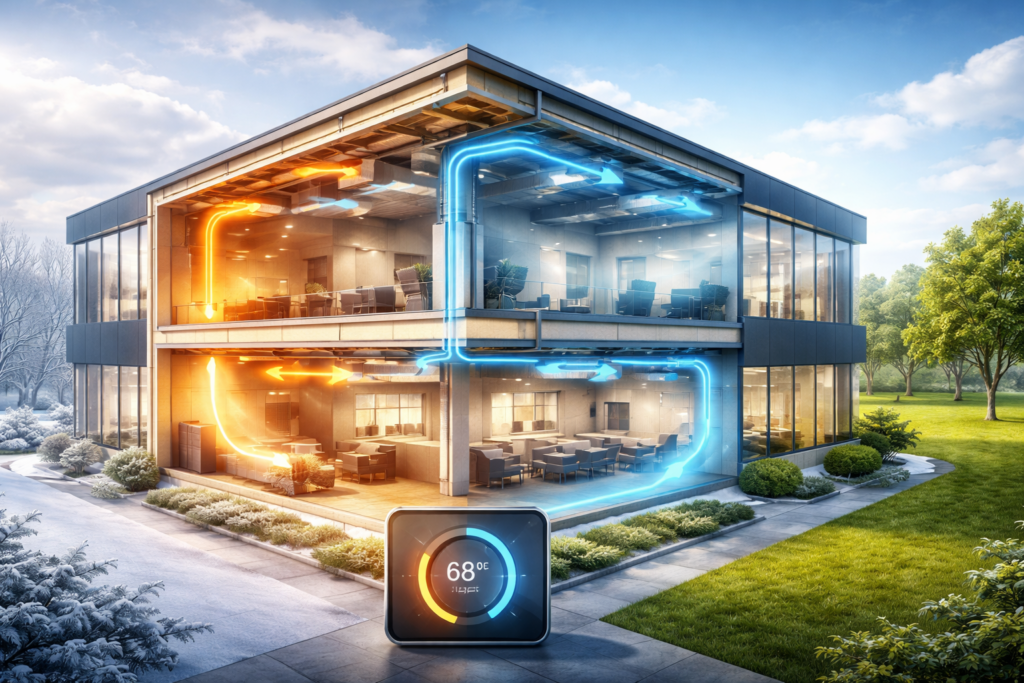
Here’s where things get serious.
Key Regulatory Trends Affecting Boilers & Furnaces
- Phase-out of low-efficiency oil-burning systems
- Push toward high AFUE-rated equipment (90%+ minimum in many cases)
- Increased scrutiny on emissions and fuel type
- Incentives for electrification and hybrid systems
What This Means for Homeowners
- Older oil furnaces (<80% AFUE) are becoming non-compliant or economically impractical
- Replacement systems must meet stricter efficiency benchmarks
- Future regulations will likely continue tightening
👉 Translation: Installing a low-efficiency system today is a short-term decision with long-term consequences.
Real-World Scenario: The Cost of Waiting Too Long
A homeowner in a colder Colorado region delayed replacing an aging oil furnace (rated ~75% AFUE).
When it failed mid-winter:
- Emergency replacement limited their options
- New regulations eliminated lower-cost systems
- They were forced into a rapid upgrade at a higher cost
Outcome:
Higher upfront expense + rushed decision + no time to evaluate boiler vs furnace advantages.
👉 The smarter move? Plan the upgrade before failure—while you still have options.
Also Read 📖What Are Denver’s Low-Carbon Heating Options and Are They Affordable?

Future-Proofing Insight: Where Heating Systems Are Headed
Over the next 5–10 years, expect:
- Continued push toward high-efficiency and low-emission systems
- Increased adoption of hybrid HVAC systems (gas + electric / heat pump integration)
- Stronger building codes tied to energy performance
- More incentives for clean energy transitions
👉 The smartest decision today isn’t just “boiler or furnace”
…it’s which system aligns with where regulations and energy costs are going.
How to Choose the Right System (Strategically, Not Emotionally)
Choose a Boiler If You:
- Want consistent, quiet, radiant heat
- Prioritize comfort and air quality
- Plan to stay in the home long-term
- Are investing in long-term efficiency and durability
Choose a Furnace If You:
- Need faster heating response
- Already have ductwork in place
- Want a combined heating + cooling system
- Are optimizing for upfront installation cost
Also Read 📖Programmable Thermostats & Smart Controls: Are They Worth It?
Why Professional Guidance Matters More Than Ever
With evolving regulations and system complexity, this is no longer a DIY decision.
A professional evaluation ensures:
- Proper system sizing
- Compliance with current and upcoming codes
- Fuel source optimization
- Long-term cost efficiency
FAQs
1. What is the main difference between a boiler and a furnace?
A boiler heats water to provide radiant heat, while a furnace heats air and distributes it through ducts.
2. Which system is more energy-efficient?
Both can be highly efficient, but only modern high-AFUE models meet current standards.
3. Are oil furnaces still allowed in Colorado?
They are increasingly restricted and often fail to meet new efficiency and emissions expectations.
4. What AFUE rating should I look for?
Generally, 90% or higher is recommended to meet modern efficiency standards.
5. Do boilers cost more to install?
Yes, typically higher upfront—but often lower long-term operating costs.
6. Can a furnace provide cooling?
Yes, furnaces can integrate with central air conditioning systems.
7. Which system is better for indoor air quality?
Boilers, because they don’t circulate air and dust.
8. How long do heating systems last?
Boilers: 20–30 years
Furnaces: 15–20 years
9. Should I replace my system before it fails?
Yes—this gives you more options and avoids emergency upgrades under regulatory pressure.
10. How do I know which system is right for my home?
A professional HVAC assessment is the best way to determine the optimal system.


