Michele Matthews

Michele Matthews

How Can You Lower Heating & Cooling Bills Year-Round?
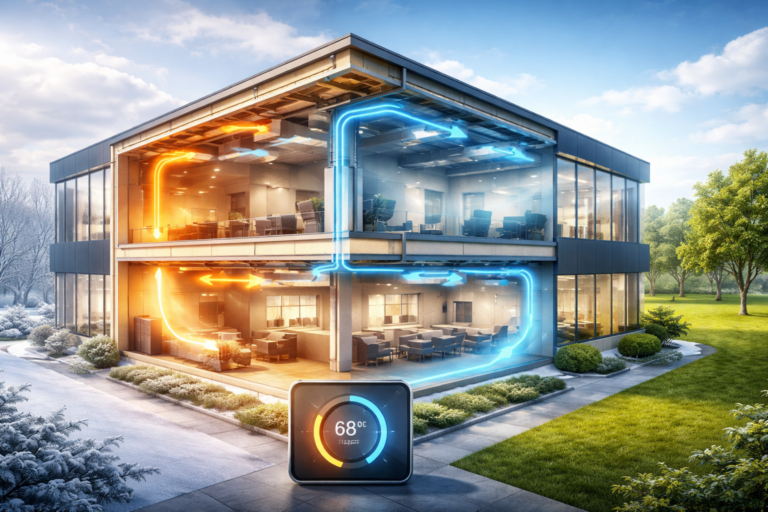
HVAC efficiency concept showing seasonal heating and cooling optimization in a commercial building

Lowering your heating and cooling bills comes down to improving HVAC efficiency through insulation, smart thermostat use, sealing air leaks, and consistent maintenance. These strategies reduce energy waste, stabilize indoor comfort, and help both homeowners and businesses control long-term operating costs.
Programmable Thermostats & Smart Controls: Are They Worth It?

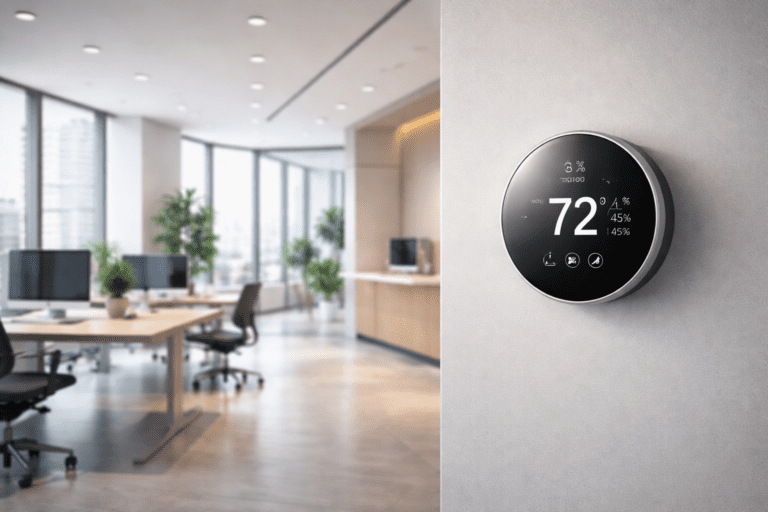
Smart thermostat installed in a modern commercial office controlling HVAC system efficiently

Programmable thermostats and smart HVAC controls can significantly improve energy efficiency, comfort, and system performance when properly installed and configured. For homeowners and facility managers, understanding compatibility, retrofit potential, and long-term savings is key to making the right investment.

What Happens When Heating or A/C Systems Fail in Denver Homes?

Image of an unexpected Maintenance Service Bill for HVAC repairs.

When heating or A/C systems fail in Denver homes, homeowners face urgent comfort, safety, and compliance decisions—especially under Colorado’s evolving emissions standards. The best outcomes come from fast diagnostics, repair-first evaluations, compliant replacement planning when necessary, and preventive maintenance that reduces emergency failures.

What Do Colorado’s 2026 Emissions Laws Mean for Denver Homeowners?

Colorado State Capitol with scales of justice and “New Law” document symbolizing new Colorado legislation.

Colorado’s 2026 emissions laws require new furnaces, water heaters, and certain HVAC equipment sold or installed after January 1, 2026 to meet Ultra-Low NOx and ENERGY STAR standards. Denver homeowners are not required to replace working systems, but future repairs, replacements, and planning decisions will be directly affected—especially along the Front Range.