



System Failure Is Where Theory Meets Reality
Regulations, efficiency standards, and long-term planning all matter—until a system stops working on a cold winter night or during a sudden seasonal swing. That’s when homeowners are forced into decisions under pressure.
In Denver, HVAC failures are more than inconvenient. Cold temperatures, altitude-related performance issues, and older housing stock can turn a breakdown into a safety and compliance concern quickly.
This is where service capability and technical judgment matter far more than product availability.
Common Failure Scenarios in Denver Homes
HVAC systems rarely fail without warning, but the signals are often missed or misunderstood.
Common causes include:
- Ignition or control board failure
- Heat exchanger safety shutdowns
- Blower motor or airflow issues
- Sensor drift at altitude
- Deferred maintenance leading to cascading faults
In winter, even minor issues can escalate quickly due to extended runtime and temperature extremes.
Also Read👉🏻What Should Denver Homeowners Do When Heat or AC Fails?
Emergency Repairs vs. Emergency Replacements
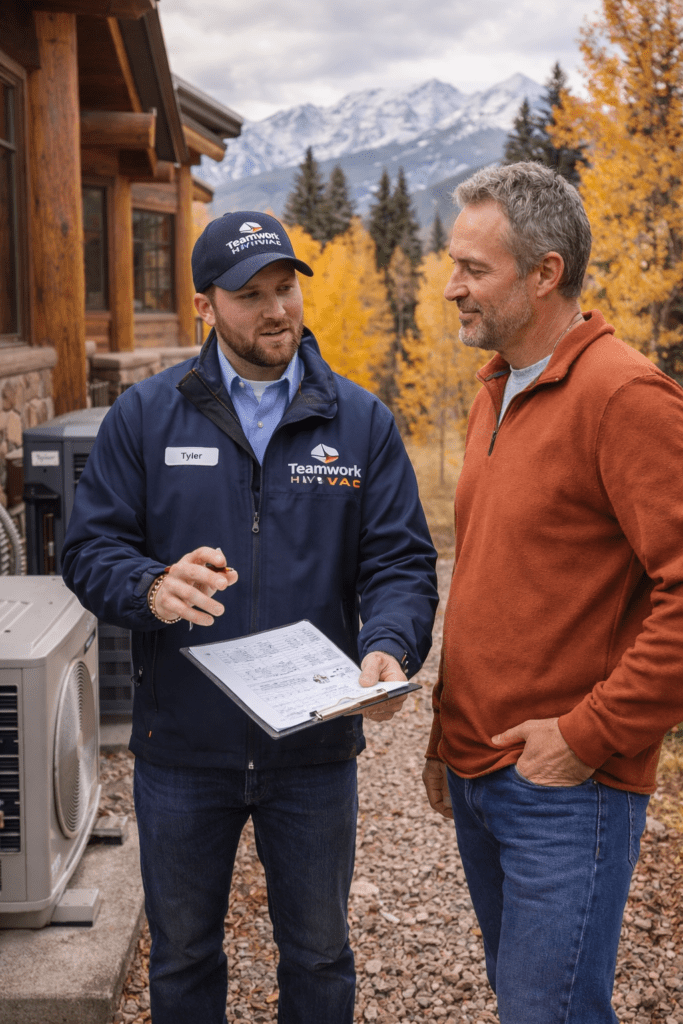
One of the most damaging myths homeowners encounter is that failure automatically means replacement. That’s simply not true.
Emergency repairs:
- Are often viable
- Preserve flexibility under emissions rules
- Cost significantly less than rushed replacements
- Buy time for planning and compliance
Emergency replacements:
- Limit equipment options
- Increase costs
- Remove homeowner choice
- Create unnecessary stress
The difference hinges on accurate diagnostics, not assumptions.
Compliance Still Applies—Even During Emergencies
Colorado’s emissions standards don’t disappear during a breakdown, but they also don’t eliminate repair pathways.
A knowledgeable HVAC service provider will:
- Determine whether repair is allowed and safe
- Identify compliant replacement options only if necessary
- Avoid forcing homeowners into premature upgrades
- Explain regulatory constraints clearly, without fear tactics
Compliance should inform decisions—not rush them.
Also Read 👉🏻What Do Colorado’s 2026 Emissions Laws Mean for Denver Homeowners?
Preventive Maintenance: The Quiet Failure-Prevention Strategy
Most emergency calls are preventable.
Preventive maintenance:
- Identifies component fatigue early
- Keeps combustion tuned and emissions stable
- Extends system lifespan
- Reduces winter failure risk
- Protects homeowner budget and flexibility
In Denver’s climate, maintenance isn’t optional—it’s strategic.
Why Service-Only Expertise Matters Most When Systems Fail
When pressure is high, incentives matter.
Teamworks Mechanical operates strictly as a service-based HVAC provider. They do not sell heating or A/C systems. That structure changes everything during a failure scenario.
Their focus is on:
- Rapid, accurate diagnostics
- Repair-first evaluation when viable
- Clear explanation of compliance considerations
- Stabilizing the situation—not upselling it
This removes conflicted advice at the exact moment homeowners are most vulnerable to it.
Planning After a Failure (Not During One)
Even when a system must eventually be replaced, the best time to plan is after stability is restored, not while heat is off.
Post-failure planning allows homeowners to:
- Understand upcoming emissions requirements
- Evaluate low-carbon and ULN options calmly
- Schedule replacements strategically
- Avoid emergency pricing and rushed decisions
Failures don’t have to dictate outcomes—unless planning is ignored.
Denver’s Climate Makes Honest Guidance Non-Negotiable
Altitude, cold snaps, and rapid seasonal transitions punish poorly designed or poorly serviced systems. Generic advice and national averages don’t work here.
Denver homeowners need:
- Local expertise
- Climate-aware diagnostics
- Regulation-literate service
- Long-term thinking
That combination is rare—and essential.
Also Read 👉🏻Is Your HVAC System Properly Winterized for Colorado’s Climate| Teamwork HVAC
Conclusion: When Systems Fail, Knowledge Is the Difference
HVAC failures are stressful, but they don’t have to be chaotic or financially devastating. In Denver, the difference between panic and control comes down to service expertise, not equipment sales.
Fast diagnostics, repair-first thinking, compliance awareness, and preventive maintenance form the foundation of stable home comfort—before, during, and after a system failure.
Trust is built when guidance remains calm, accurate, and independent—especially when it matters most.
(FAQs)
1. What should I do if my furnace stops working in winter?
Contact a qualified HVAC service provider for immediate diagnostics before assuming replacement is necessary.
2. Are furnace repairs still allowed under Colorado emissions rules?
Yes. Repairs remain legal and commonly appropriate.
3. When is furnace replacement unavoidable?
When safety issues, severe component failure, or compliance limits make repair impractical.
4. Do emissions rules apply during emergency replacements?
Yes, but they do not eliminate compliant options or repair pathways.
5. How fast should an HVAC provider respond to failures?
Prompt response is critical, especially during extreme temperatures.
6. Can maintenance really prevent system failures?
Yes. Most failures are linked to deferred maintenance or unnoticed wear.
7. Are emergency replacements more expensive?
Almost always, due to limited options and urgency.
8. Does altitude increase failure risk?
Yes. Altitude affects combustion, airflow, and component stress.
9. Should I plan system upgrades after a repair?
Yes. Repairs often provide time to plan calmly and cost-effectively.
10. What kind of HVAC provider should homeowners trust during failures?
Service-only providers with local, regulatory, and technical expertise.