



How to Tell If It’s Time to Replace Your HVAC System — 6 Key Warning Signs
Heating and cooling systems aren’t built to last forever, and when they start slipping, they rarely do it quietly. Rising utility bills, uneven temperatures, and mystery noises often hint at deeper problems hiding inside the equipment. Whether you’re a homeowner or business operator, knowing when your HVAC system is simply “acting up” versus when it’s nearing retirement can prevent costly breakdowns, protect indoor comfort, and keep energy waste under control.
The Real Lifespan of an HVAC System
Most HVAC systems operate reliably for 12–15 years, depending on installation quality, maintenance history, and environmental conditions. Commercial equipment may have slightly longer or shorter life cycles depending on run-time. As systems age, their efficiency drops, mechanical wear increases, and small performance issues often evolve into major failures.
Recognizing the signs early lets you plan ahead rather than scrambling during a mid-winter breakdown—a scenario no Maine resident wants.
Six Warning Signs It’s Time to Consider HVAC Replacement
 1. Rising Energy Bills with No Clear Explanation
When utility costs spike season after season, and your energy provider hasn’t raised rates, the culprit is often an aging HVAC system.
As compressors weaken, motors strain, and refrigerant levels fluctuate, your system needs more energy to perform the same amount of heating or cooling. The decline is gradual, but the bill increase is not.
A jump of 10–30% in monthly HVAC-related costs typically signals significant efficiency loss.
2. Frequent Repairs or Multiple Component Failures
Every HVAC system needs occasional service, but when repair visits start looking like a subscription plan, replacement becomes the wiser investment. Replacing compressors, blower motors, circuit boards, or coils adds up quickly.
Industry data shows:
-
Systems needing three or more major repairs in a 12-month period are usually near end-of-life.
-
If a repair exceeds 40–50% of the cost of a new system, upgrading is more cost-effective.
3. Uneven Temperatures or Poor Airflow Throughout the Building
Hot and cold spots are more than a comfort issue—they indicate inefficiencies within the HVAC system or ductwork. Failing blower motors, aging duct systems, and declining refrigerant performance can all cause inconsistent temperatures.
If comfort problems persist despite maintenance, it usually means the system can’t keep up with the demands of your space.
4. Your System Uses R-22 Refrigerant
Older HVAC units that rely on R-22 (Freon) are now expensive and increasingly difficult to service due to federal phase-out regulations. Since production ended, costs have skyrocketed, making repairs impractical.
If your unit predates 2010, there’s a strong chance it uses R-22—and replacing it with a modern, energy-efficient system is typically the most financially sound choice.
5. Strange Noises, Odors, or Excessive Cycling
Grinding, banging, squealing, or short-cycling (starting and stopping rapidly) signals mechanical deterioration. Electrical odors or burning smells indicate serious risk.
A well-functioning HVAC system should operate quietly and consistently. When noises become noticeable, they’re often warning signs of motor failure, compressor issues, or worn bearings.
6. The System Is More Than 12–15 Years Old
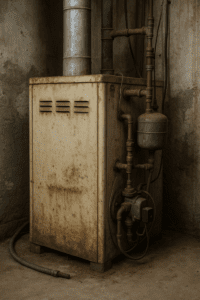
Even well-maintained HVAC systems eventually lose efficiency. Newer technology—variable-speed motors, smart controls, eco-friendly refrigerants—far surpasses older units in performance and energy savings.
If your system is past the 12–15 year mark, replacement is often the most strategic move for long-term comfort and cost control.
Why Timely HVAC Replacement Matters
Replacing your HVAC system isn’t just about comfort—it’s a financial and environmental decision. A modern system offers:
- Lower monthly utility bills
- More consistent indoor temperatures
- Better humidity control
- Improved air quality
- Quieter operation
- Reduced repair costs
- Increased property value
Planned replacement also avoids the stress of emergency failures during Maine’s coldest months—which is when aging systems tend to surrender.
Conclusion
Your HVAC system communicates more than you think. Rising energy costs, inconsistent temperatures, strange noises, frequent repairs, and old age are all signals worth paying attention to. Replacing a failing system before it reaches full breakdown not only saves money but keeps your home or business safe, comfortable, and efficient all year long.
Teamwork HVAC specializes in helping customers determine whether repair or replacement is the smartest option for their space. A professional evaluation can give you clarity—and a plan you can trust.
FAQs
1. How do I know if my HVAC problem is repairable or requires replacement?
A technician can compare repair cost, age, and system condition to determine the most cost-effective option.
2. Do new HVAC systems really lower energy bills?
Yes—modern systems can reduce heating and cooling costs by 20–40%.
3. How long does HVAC replacement take?
Most installations take one day, though complex systems may require two.
4. What size HVAC system do I need?
Proper sizing requires a load calculation that considers insulation, square footage, windows, and occupancy.
5. Can I replace part of the system, like only the AC?
It’s possible, but mismatched components reduce efficiency. Full-system replacement is usually recommended.
6. What brands does Teamwork HVAC install?
Brand options vary but typically include leading, high-efficiency manufacturers.
7. Is financing available for HVAC replacement?
Most HVAC companies offer financing plans—Teamwork HVAC can provide details.
8. Should I upgrade my thermostat with my new HVAC system?
Yes. Smart thermostats maximize efficiency and comfort.
9. How often should I schedule HVAC tune-ups?
Twice per year—once for heating and once for cooling.
10. What’s the biggest mistake people make with old HVAC systems?
Waiting until complete system failure, which leads to emergency costs and discomfort.